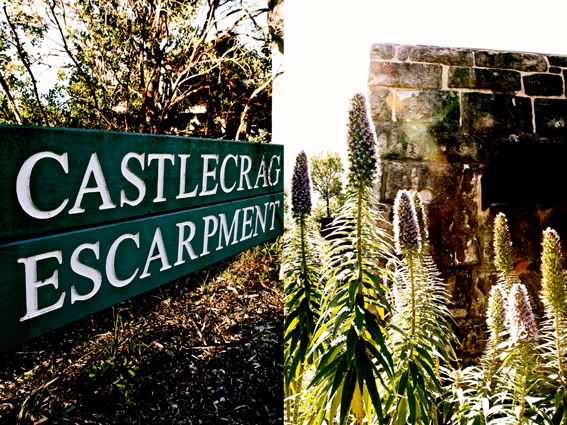
I have butterflies inside my being as I sit down to write about 52 Suburbs' visit to suburb No. 7,
Castlecrag.
I've visited Castlecrag a few times before this week. But never have I been so bold as to knock
on the doors of complete strangers, quickly explain what I’m doing and would you mind, please,
could I photograph your (amazing, historic, iconic) home.
They could so easily have said no. And a few did. But for the most part they were as gracious and
generous as you could hope for. So, before we crack on, can I say from the bottom of my irrepressibly
curious heart, thank you to those kind souls that inhabit some of the planet’s most unique homes for
allowing me, my camera and you, my virtual travelling companions to have a stickybeak.
The other reason for the butterflies doing back flips and double somersaults inside of me is this -
I’m not sure if I can do justice to the passionate history of Castlecrag and its inspired architects
in my usual condensed '20 words or less' approach. I strongly advise anyone half interested to do
their own research as it’s an incredible story that warrants a more detailed investigation.
But for now, let me try and simplify things as much as possible: the history of Castlecrag in the
20th century = the Griffins and Hugh Buhrich.
Starting with the Griffins:
• In 1913, American architect Walter Burley Griffin and his wife, Marion Lucy Mahony, arrived
in Australia
• They were part of the so called Prairie School of architects, the most famous being Frank Lloyd
Wright. “Organic architecture” was their thing, the aim being to build structures that looked as if
they grew naturally from the site
• The Prairie School were also into the Transcendentalist philosophy of Ralph Waldo Emerson (who
said a few thousand Important Things like, “All life is an experiment. The more experiments you
make the better.” How good is that?)
• The Griffins won a competition to design Canberra but eventually the politics got to them. In the
early 1920’s they bowed out of the shenanigans to start a new ‘project’ on Sydney's lower North Shore
• Their plan? To build a bushland suburb that would “conserve for the residents all the remarkable
natural features of the place – its outlooks, monumental cliffs, caverns, ancient trees, fern glens,
wild flower glades, waterfalls and foreshores.”
• The way they achieved this was by building small single storey houses out of local stone with flat
roofs and no fences. They also designed roads to follow natural contours and retained reserves and
pathways to “perpetuate the delightful rambles which were a feature of Castlecrag before its
development.”
• Griffin named the suburb after a towering crag of rock overlooking Middle Harbour, known locally
as Edinburgh Castle. Hence all the streets with castle themed names – The Parapet, The Bastion etc
• While Griffin’s homes were successful in blending into the environment, some of the roofs leaked
and not everyone was so admiring of the designs. That and the arrival of the Second World War meant
that only 19 of the 40 houses he designed were ever built. He left in the mid 1920’s, leaving his partner
Eric Nicholls to run the Australian practice
• Times have certainly changed – nowadays the principles behind the Griffin houses and their
subordination to the landscape are understood and revered.
Part 1: The Griffins (and Eric Nicholls)
Castlecrag.
I've visited Castlecrag a few times before this week. But never have I been so bold as to knock
on the doors of complete strangers, quickly explain what I’m doing and would you mind, please,
could I photograph your (amazing, historic, iconic) home.
They could so easily have said no. And a few did. But for the most part they were as gracious and
generous as you could hope for. So, before we crack on, can I say from the bottom of my irrepressibly
curious heart, thank you to those kind souls that inhabit some of the planet’s most unique homes for
allowing me, my camera and you, my virtual travelling companions to have a stickybeak.
The other reason for the butterflies doing back flips and double somersaults inside of me is this -
I’m not sure if I can do justice to the passionate history of Castlecrag and its inspired architects
in my usual condensed '20 words or less' approach. I strongly advise anyone half interested to do
their own research as it’s an incredible story that warrants a more detailed investigation.
But for now, let me try and simplify things as much as possible: the history of Castlecrag in the
20th century = the Griffins and Hugh Buhrich.
Starting with the Griffins:
• In 1913, American architect Walter Burley Griffin and his wife, Marion Lucy Mahony, arrived
in Australia
• They were part of the so called Prairie School of architects, the most famous being Frank Lloyd
Wright. “Organic architecture” was their thing, the aim being to build structures that looked as if
they grew naturally from the site
• The Prairie School were also into the Transcendentalist philosophy of Ralph Waldo Emerson (who
said a few thousand Important Things like, “All life is an experiment. The more experiments you
make the better.” How good is that?)
• The Griffins won a competition to design Canberra but eventually the politics got to them. In the
early 1920’s they bowed out of the shenanigans to start a new ‘project’ on Sydney's lower North Shore
• Their plan? To build a bushland suburb that would “conserve for the residents all the remarkable
natural features of the place – its outlooks, monumental cliffs, caverns, ancient trees, fern glens,
wild flower glades, waterfalls and foreshores.”
• The way they achieved this was by building small single storey houses out of local stone with flat
roofs and no fences. They also designed roads to follow natural contours and retained reserves and
pathways to “perpetuate the delightful rambles which were a feature of Castlecrag before its
development.”
• Griffin named the suburb after a towering crag of rock overlooking Middle Harbour, known locally
as Edinburgh Castle. Hence all the streets with castle themed names – The Parapet, The Bastion etc
• While Griffin’s homes were successful in blending into the environment, some of the roofs leaked
and not everyone was so admiring of the designs. That and the arrival of the Second World War meant
that only 19 of the 40 houses he designed were ever built. He left in the mid 1920’s, leaving his partner
Eric Nicholls to run the Australian practice
• Times have certainly changed – nowadays the principles behind the Griffin houses and their
subordination to the landscape are understood and revered.
Part 1: The Griffins (and Eric Nicholls)
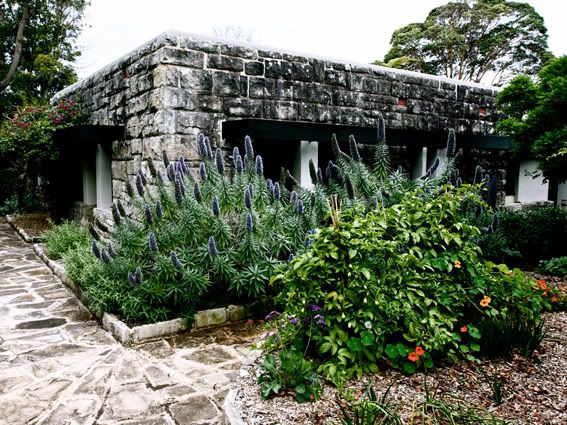
Cheong House 1
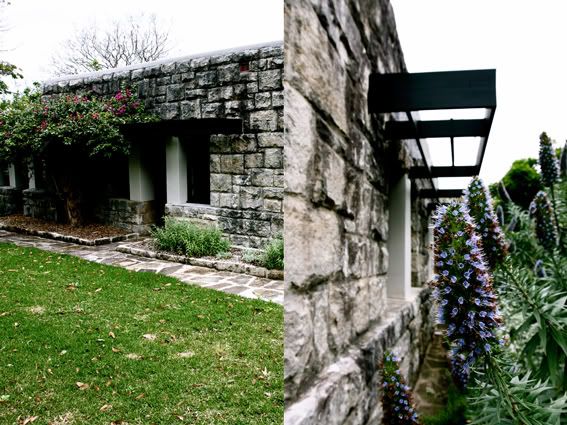
Cheong House 2
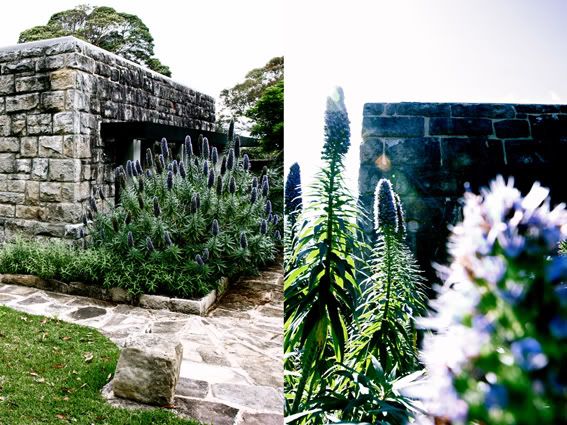
Cheong House 3
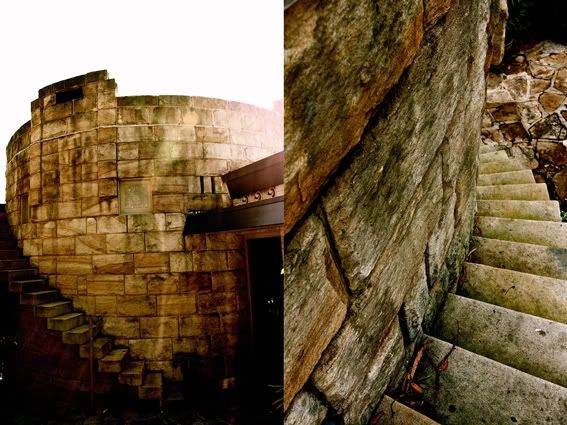
my home is my castle (Camelot 1)
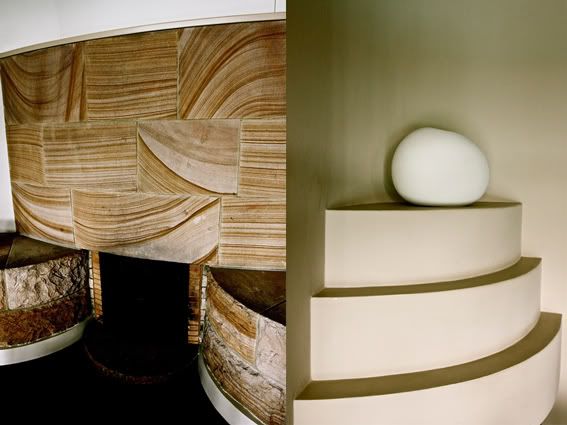
my home is my castle (Camelot 2)
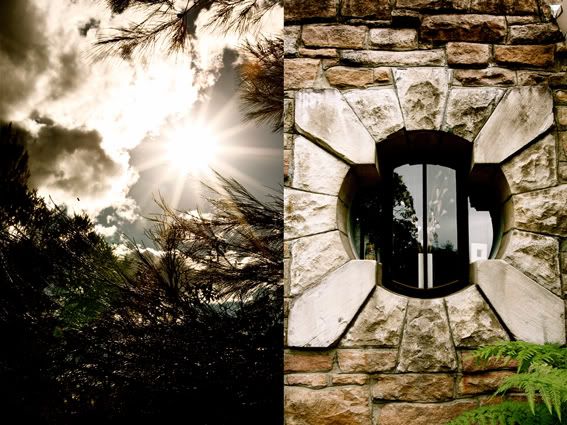
sunbursts (Johnson House 1)
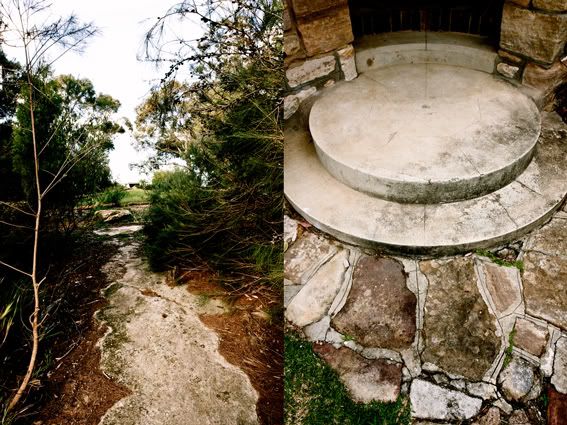
entrances (Johnson House 2)
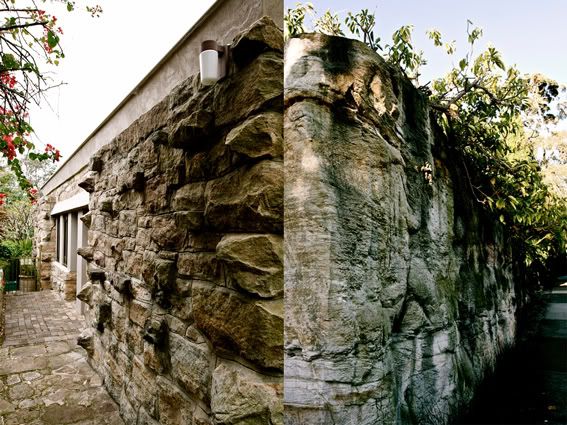
stone - before and after (Johnson House 3)
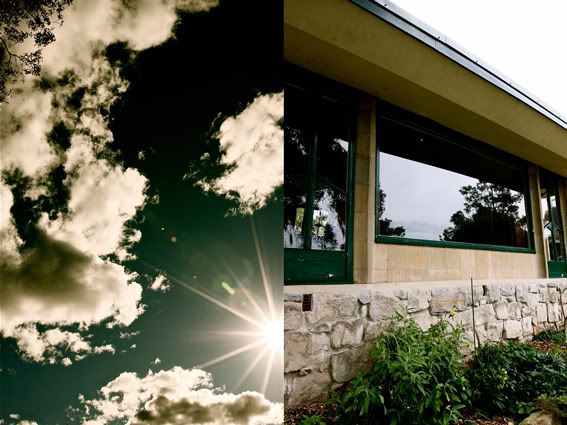
let the sky in (Felstead House 1)
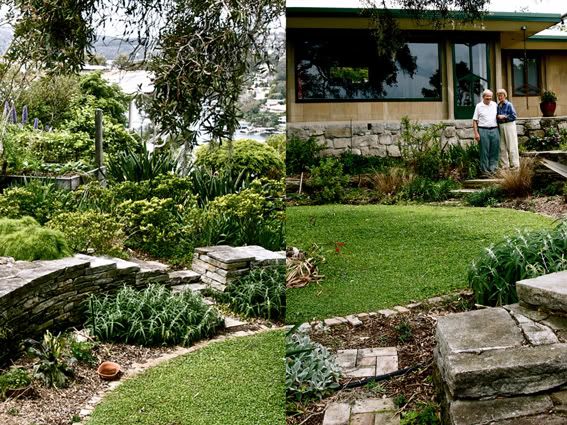
yin yang (Felstead House 2)
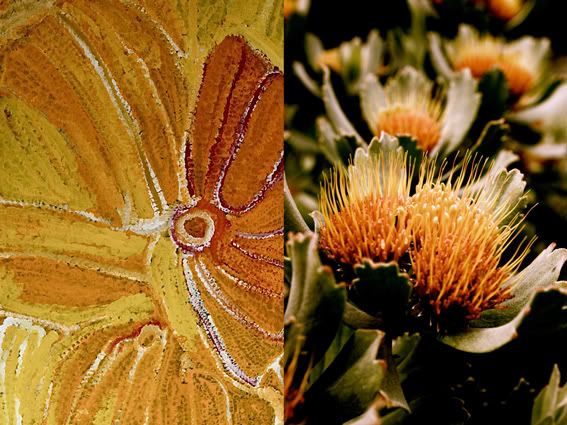
flowers in the house and garden (Felstead House 3)
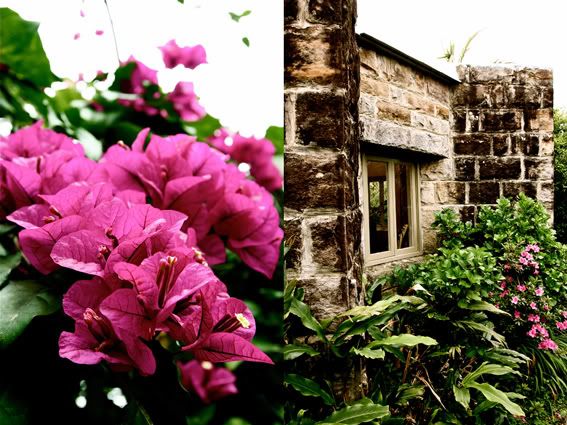
at home in the garden (Wilson House 1)

Fabia (Wilson House 2)
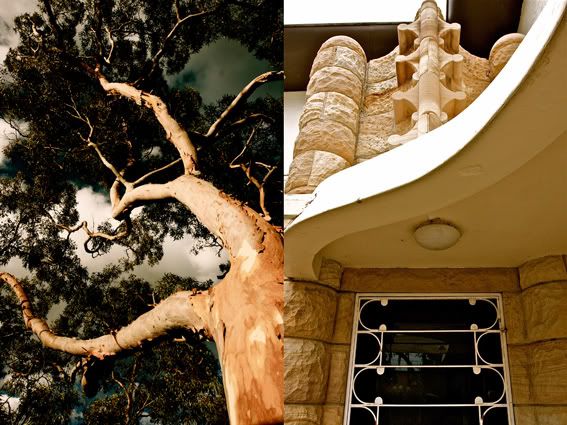
Edinburgh Road 1
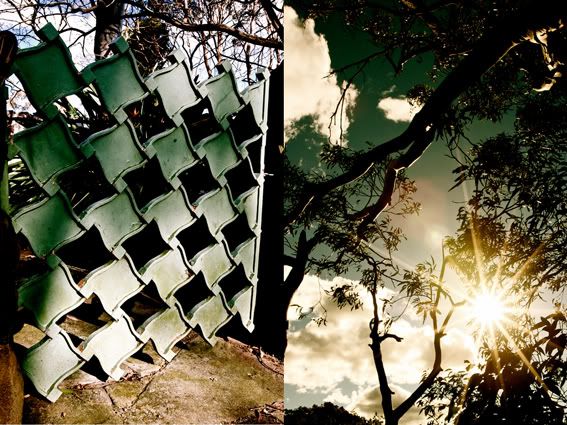
sun on Moon House

Edinburgh Road 2
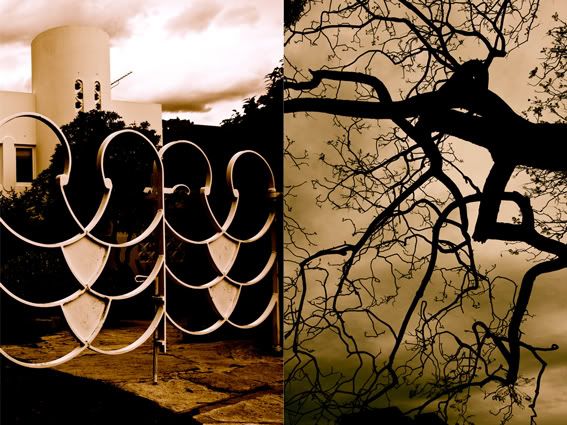
Edinburgh Road 3
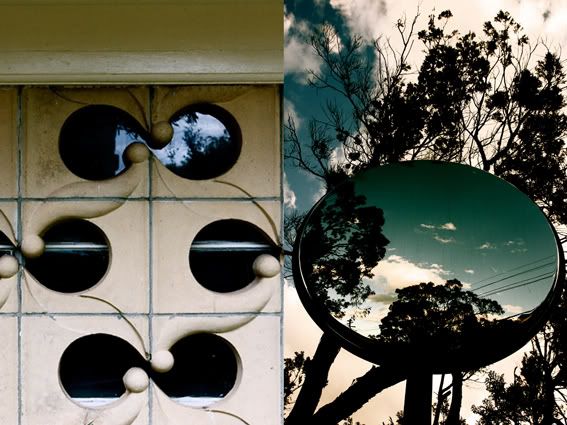
reflections
Part 2: Hugh Buhrich
After immersing myself in all things Griffin – including the whole fascinating Anthroposophy Steiner
philosophy aspect – I moved on to a later era and the other amazing force in Castlecrag architecture,
Hugh Buhrich.
After immersing myself in all things Griffin – including the whole fascinating Anthroposophy Steiner
philosophy aspect – I moved on to a later era and the other amazing force in Castlecrag architecture,
Hugh Buhrich.
Buhrich designed and hand-built two homes in the suburb, thirty years apart. I visited the second one,
built between 1968 and 1972.
Much has been written about the “the finest modern house in Australia” (Peter Myers) by people far
more knowledgeable than me. So all I’ll say is this - it was a thrill, one I doubt I’ll ever forget. The
wave-like roof and ceiling. The red bathroom. The death-defying spiral stairs that gave me vertigo
just looking at them. All of it just so inventive, playful and enjoyable.
In many respects it’s so Australian – made from organic materials (aside from the red fibreglass
bathroom), nestled into but not weighing upon the bush and filled with light and a sublime view
across Middle Harbour thanks to floor to ceiling glass. At the same time, however, it seems
absolutely from another planet – or at least another continent (not surprising perhaps given that
its architect and maker heralded from Europe).
Having experienced Hugh Buhrich’s masterpiece first-hand it’s almost unbelievable to think that
his great talents were underused and overlooked for so long.
My thanks again to his family for making the visit possible, a high point in the 52 Suburbs search
for beauty in the ‘burbs.
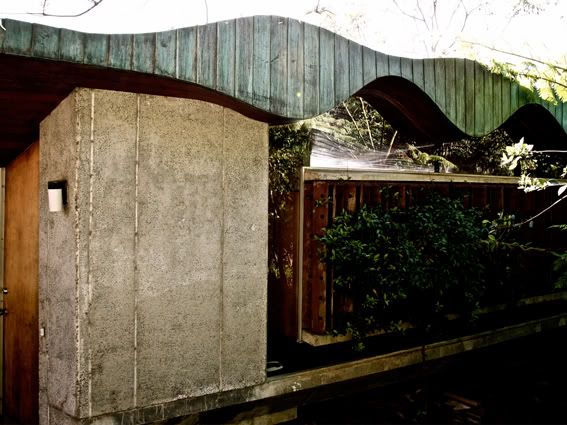
nestled in nature (Buhrich House 1)
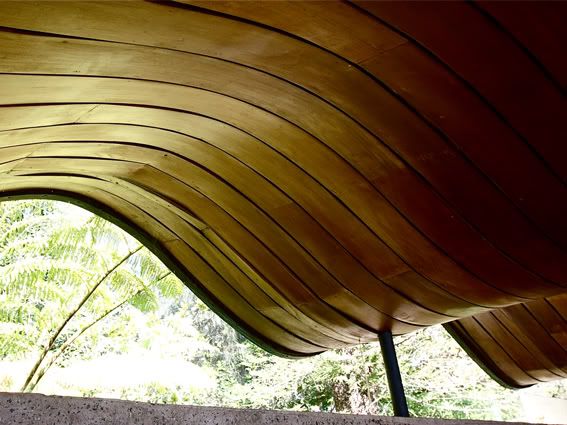
wave (Buhrich House 2)
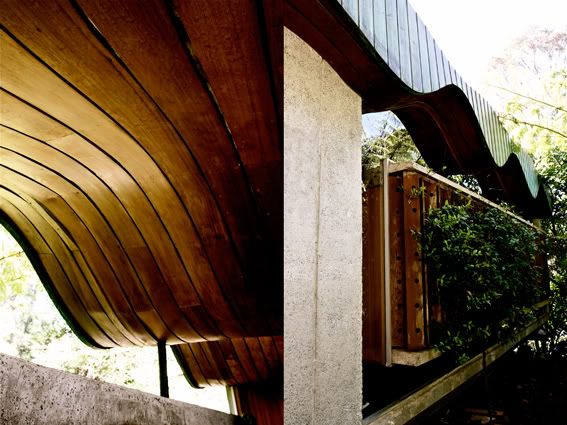
harmony (Buhrich House 3)
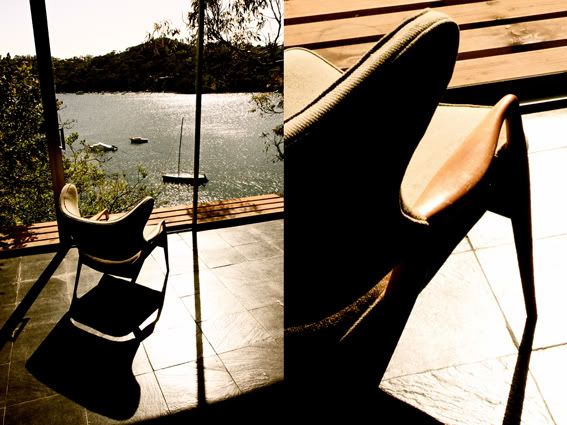
room with a sublime view (Buhrich House 4)
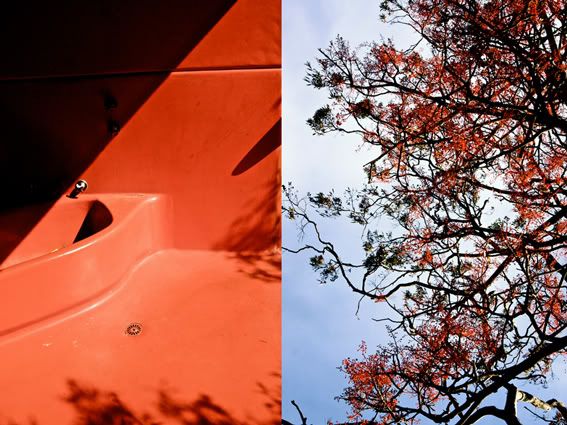
red (Buhrich House 5)
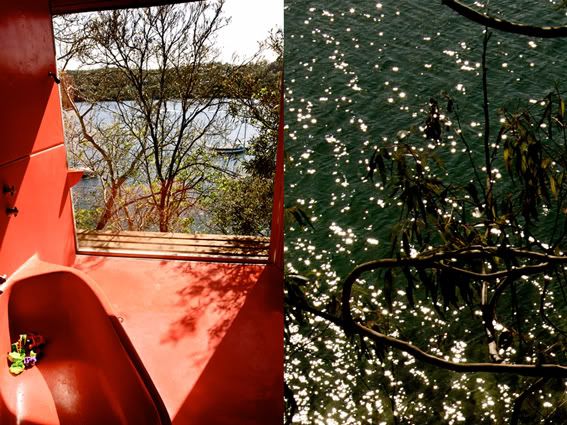
bathing in the ocean (Buhrich House 6)
Part 3: Other random encounters in Castlecrag
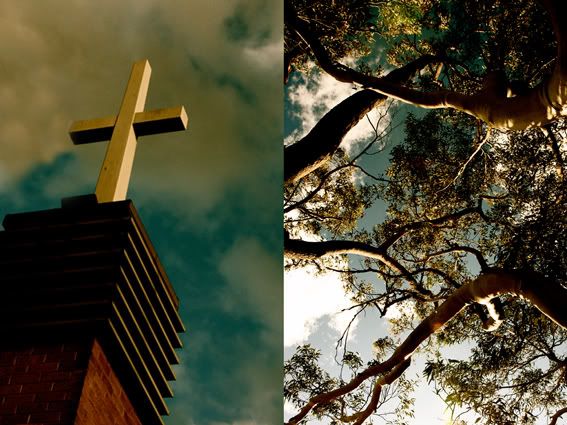
different religions

neat as a pin-stripe
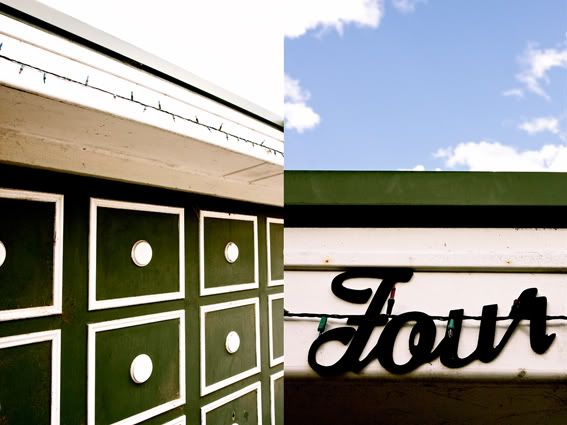
number four
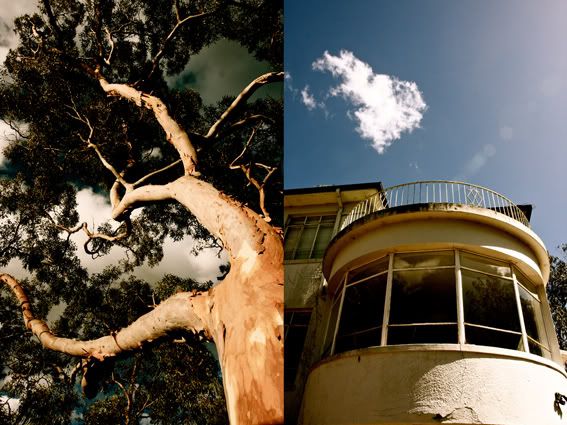
peeling

what's a 52 Suburbs post without a tattoo

fire across the water

the world turned orange
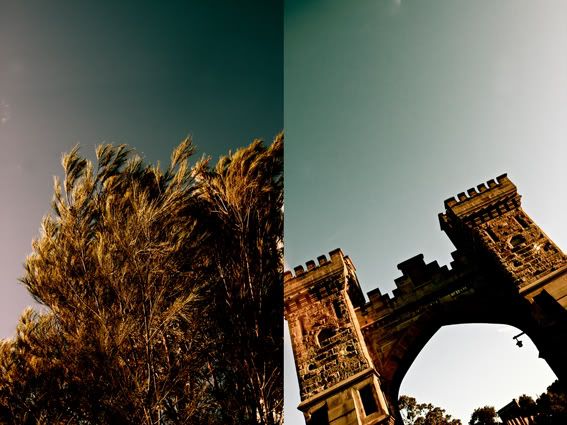
goodbye suburb of castles
Beauty? Castlecrag has it in bucketloads, both in the natural and the man-made. Just the way its
architects would have liked it.
architects would have liked it.
Next week... when my head stops reeling from this week's adventures I should have a better idea.
Or how about you decide? The suburb most requested will be next!
One last thing before I go for this week. I have expressed my thanks to the kind souls in Castlecrag.
Can I also just say thank you to everyone who's keeping me company on my travels. It may only be
a virtual kind of company but it means a great deal to me to know you're interested and enjoying
this little project of mine. I get great joy every time someone leaves a comment, sends me an
email or tweets about 52 Suburbs. So thank you!
See you next week.
Or how about you decide? The suburb most requested will be next!
One last thing before I go for this week. I have expressed my thanks to the kind souls in Castlecrag.
Can I also just say thank you to everyone who's keeping me company on my travels. It may only be
a virtual kind of company but it means a great deal to me to know you're interested and enjoying
this little project of mine. I get great joy every time someone leaves a comment, sends me an
email or tweets about 52 Suburbs. So thank you!
See you next week.


 Posts
Posts


